
Damage Assessment
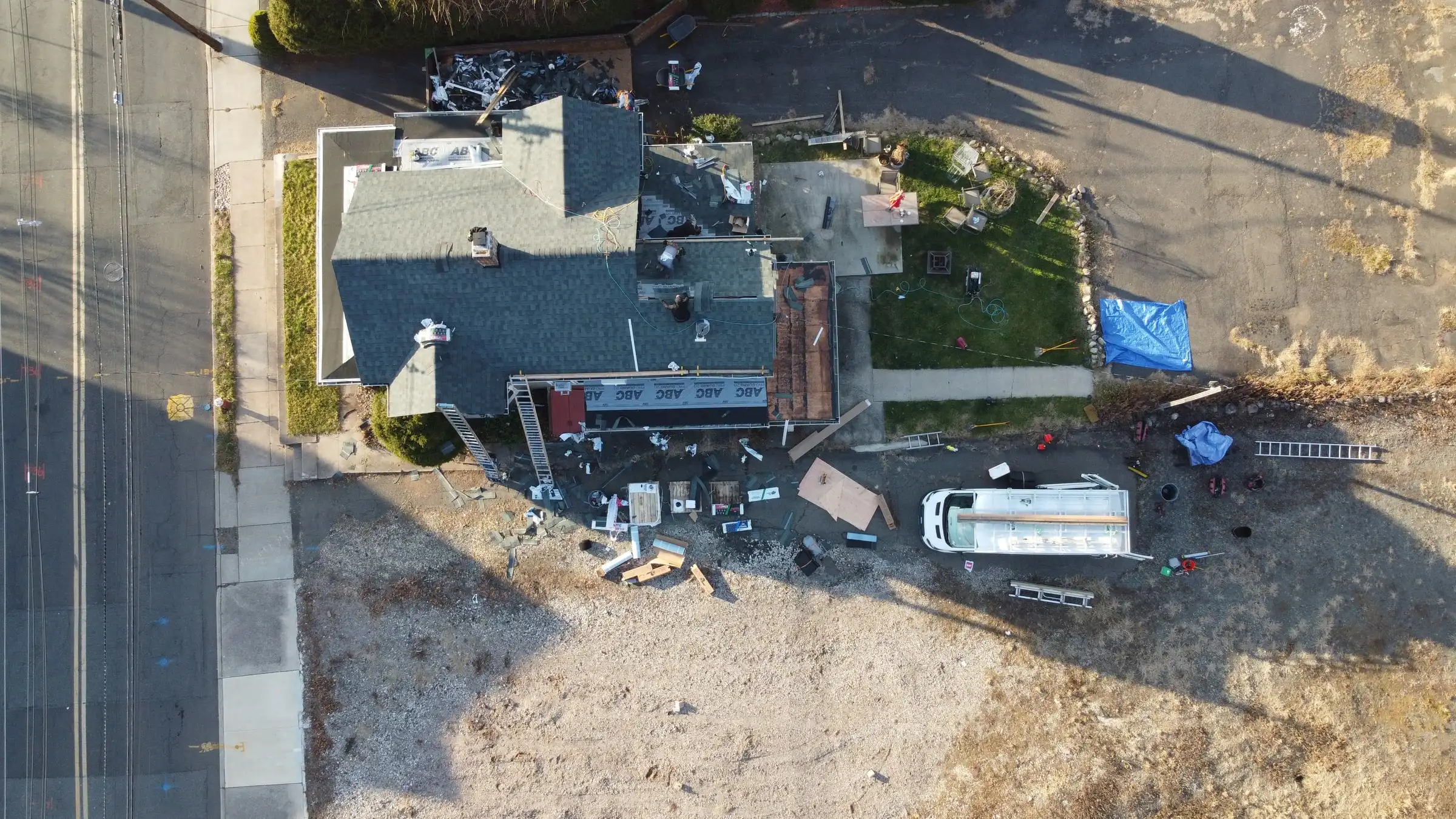
Before anything gets covered, we look at how far the damage extends and whether the deck around it is sound enough to fasten into.
24/7 emergency line
A properly secured tarp keeps rain out of your house until a permanent repair can be made. Call our 24/7 line at 201-221-6822.
Fully licensed & insured in NJ.
Manufacturer-certified roofing installers.
A tarp is not a repair. It's a bandage that stops the bleeding. When a storm opens up your roof and more rain is on the way, tarping protects everything underneath: insulation, ceilings, walls, floors, and your belongings. It holds the line until the weather clears, the insurance company has seen the damage, and the permanent fix can be done properly.
There's a right way to do it. The tarp has to extend well past the damage on every side and run up and over the ridge when possible, so water can't get in under the top edge. It gets anchored with wood strips fastened through the tarp, not weighed down with bricks or tacked with a few nails. A loose tarp in the wind does more harm than none.
Please don't try this yourself. A wet, storm-damaged roof is one of the most dangerous places a homeowner can stand, and the deck around the damage may not hold your weight. Call 201-221-6822. Our emergency line is open 24/7. We secure the roof as soon as conditions safely allow, then talk with you about what the permanent repair looks like.
What’s included
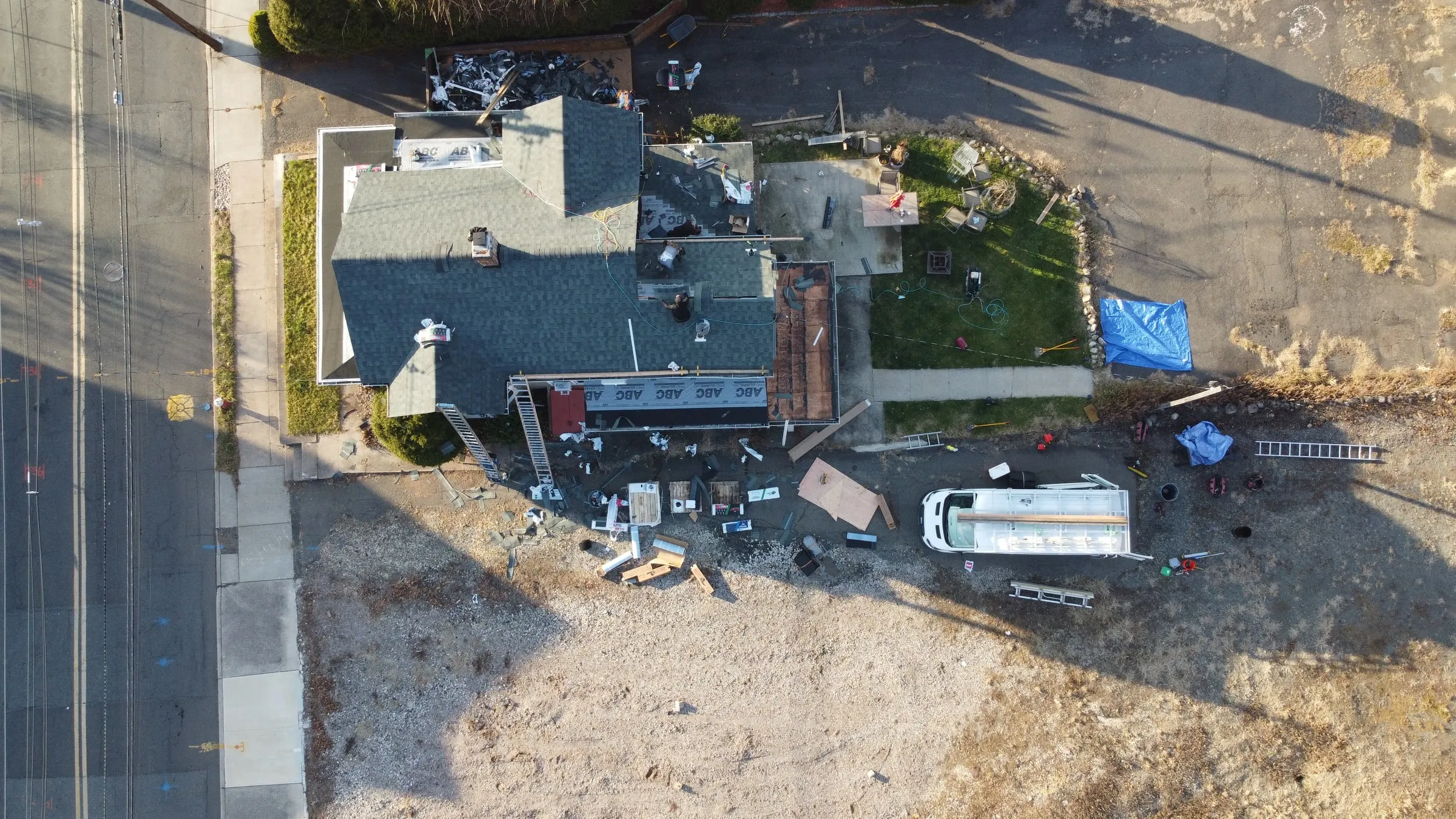
Every emergency roof tarping job gets the same treatment: a written scope, the owner checking the work, and a site left cleaner than we found it.
Before anything gets covered, we look at how far the damage extends and whether the deck around it is sound enough to fasten into.
We use thick, UV-resistant tarps sized to overlap the damaged area generously, not thin blue hardware-store tarps that shred in a week.
Tarp edges are wrapped around wood strips and fastened down, which spreads the load and keeps wind from getting underneath and tearing it free.
Small limbs, broken shingles, and loose debris are cleared from the damaged area so the tarp lies flat and sheds water properly.
We photograph the damage before it's covered. Once a tarp is on, your adjuster can't see what's underneath, so those photos matter.
After the roof is secured, you get a free written estimate for the permanent repair, so you and your insurer know what comes next.
From your neighbors
“His team was extremely responsive. In fact, they took care of a secondary issue on the roof I couldn’t see clearly but suspected, saving another inside leak situation. Professional team, very reasonably priced, highly recommended! Just made the process easy.”
“The guys worked efficiently and did an amazing job! Highly recommend.”
Emergency Roof Tarping FAQ
Something else on your mind? Call or text Bryant: 201-221-6822
A properly installed tarp can hold for several weeks, sometimes a few months, but it's temporary. Sun breaks down the material, wind works at the edges, and every week adds risk. Use the time to get your claim moving and the permanent repair scheduled. If a tarp loosens or tears, call so it can be re-secured.
In most cases of covered storm damage, yes. Policies typically require you to make reasonable temporary repairs to prevent further damage, and emergency tarping is the textbook example. Keep the invoice and the photos. Coverage always depends on your specific policy, so report the damage to your insurer as early as you can.
Anchoring a tarp means putting fasteners through some shingles, and those spots get dealt with during the permanent repair. It's a small trade against what an open roof would do to the inside of your home. We place the anchoring where it causes the least harm, usually in areas that will be repaired or replaced anyway.
Our phone line is open 24/7, so call whenever it happens. Whether anyone can go up right away depends on conditions. Nobody belongs on a roof in lightning, high wind, or ice. If it isn't safe yet, we'll tell you how to limit the damage from inside the house until it is.
Free estimates · No pressure
Call Bryant or send the form. You get a real inspection, a written price, and zero pressure. No bull.