
Leak Tracing
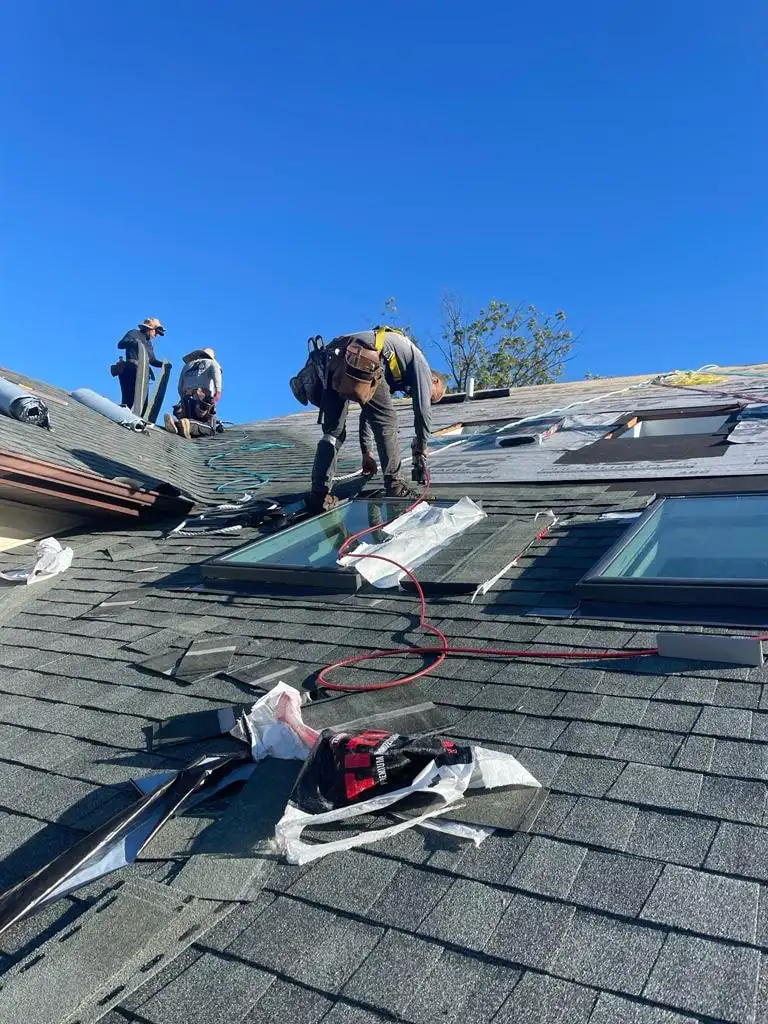
We check the roof surface, flashing, penetrations, and the attic when there's access, so the repair targets the actual entry point and not the symptom.
Roofing · North Jersey
We find where the water is really getting in, fix that, and tell you honestly how much life the rest of the roof has left.
Fully licensed & insured in NJ.
Manufacturer-certified roofing installers.
Water is sneaky. The stain on your bedroom ceiling is rarely right under the hole in the roof. Water gets in at a cracked pipe boot or a lifted piece of flashing, runs down the underside of the deck or along a rafter, and drips somewhere else entirely. That's why so many leak repairs fail. Somebody caulked the wrong spot.
Most leaks we see in North Jersey start at the details, not the open field of shingles: chimney flashing, step flashing where a roof meets a wall, valleys, skylights, vent pipes, and popped nails. Freeze-thaw cycles work these spots loose over time. Wind does the rest, lifting tabs and breaking the seal strip so the next storm can peel them back.
We trace the leak to its source, fix it with proper materials instead of a tube of roof cement, and match your existing shingles as closely as we can. If the roof is near the end and a repair would only buy you a season, Bryant will say so. You make the call with real information in front of you.
What’s included
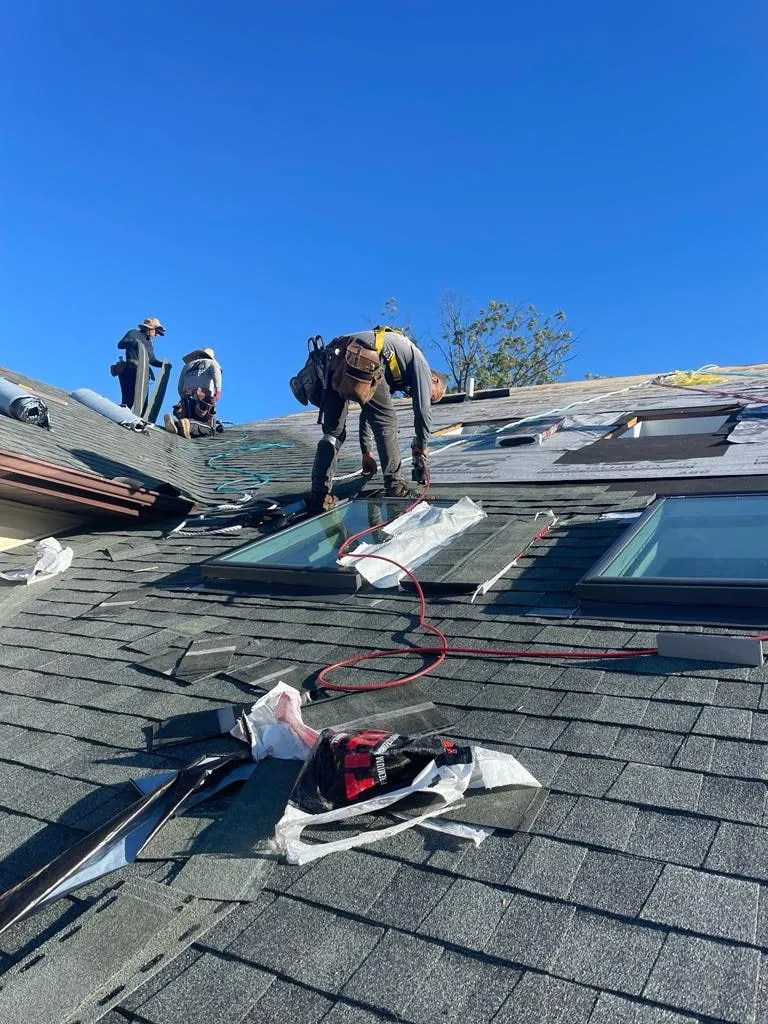
Every roof repair job gets the same treatment: a written scope, the owner checking the work, and a site left cleaner than we found it.
We check the roof surface, flashing, penetrations, and the attic when there's access, so the repair targets the actual entry point and not the symptom.
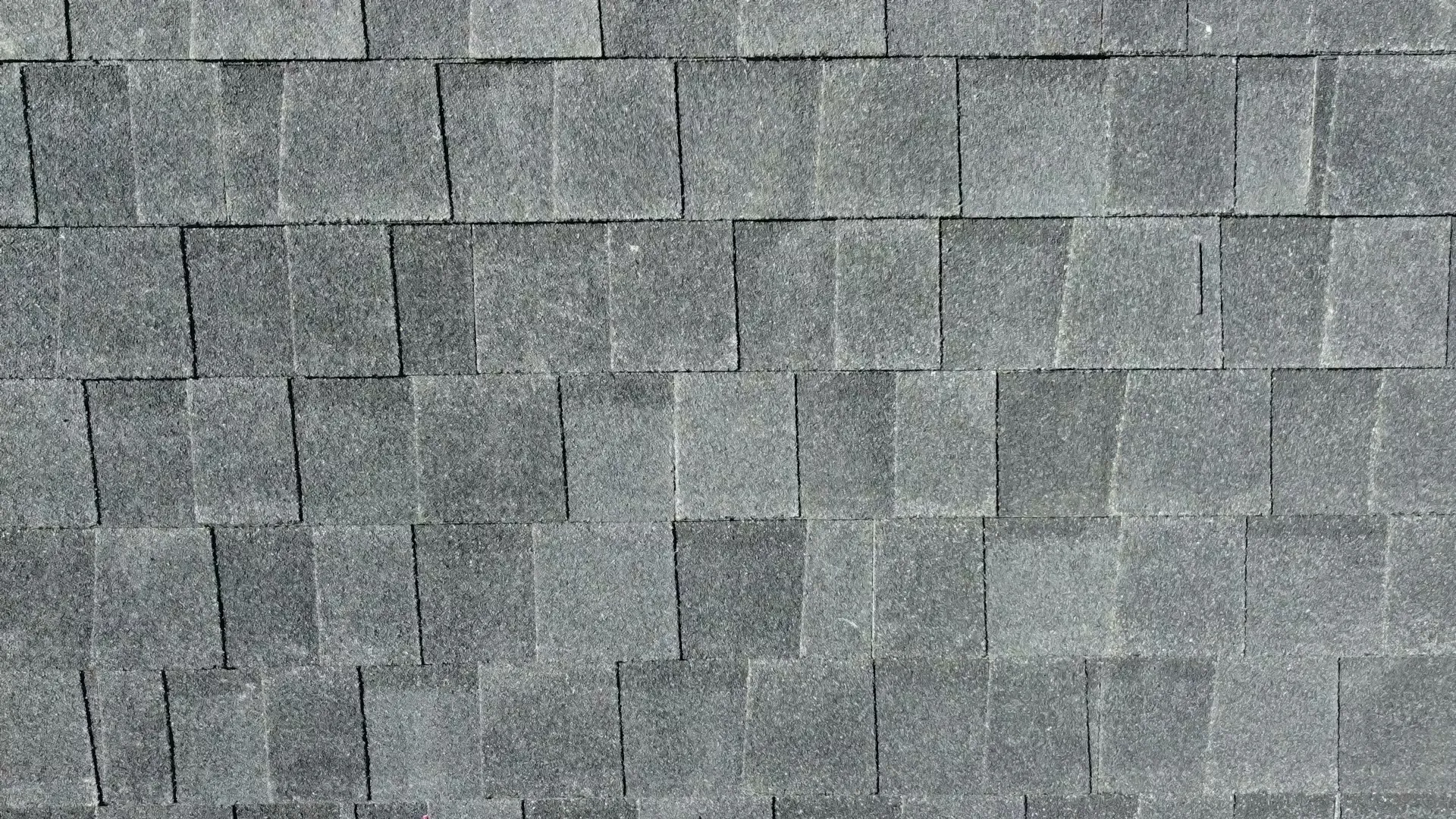
Missing, cracked, or wind-lifted shingles are replaced and sealed down, using the closest available match to your existing color and profile.
Chimney, wall, valley, and skylight flashing is resealed, refastened, or replaced. Failed flashing causes far more leaks than failed shingles do.
Rubber pipe collars crack after years of sun. We replace them, along with damaged vents and caps, before they rot the deck below.
If water has softened the plywood under the leak, we cut out the bad section and replace it so the new shingles have something solid to grip.
You get a straight read on the rest of the roof: what's fine, what to watch, and roughly how long before replacement is on the table.
From your neighbors
“His team was extremely responsive. In fact, they took care of a secondary issue on the roof I couldn’t see clearly but suspected, saving another inside leak situation. Professional team, very reasonably priced, highly recommended! Just made the process easy.”
“The guys worked efficiently and did an amazing job! Highly recommend.”
Yes, for most repairs. Cold makes shingles brittle and keeps seal strips from bonding on their own, so we handle them carefully and hand-seal where needed. Snow and ice on the roof can delay work for safety reasons. If it's leaking now, we can stop the water first and do the permanent repair when conditions allow.
We get as close as we can. Shingles fade with sun and age, and manufacturers discontinue colors, so an exact match on an older roof isn't always possible. If the repair is on a slope you see from the street, we'll tell you up front how it's going to look before we start.
It depends on what failed and how much is involved. Replacing a few shingles or a pipe boot is a small job. Rebuilding chimney flashing or replacing rotted decking is a bigger one. Roof pitch and height affect labor too. We look at it, tell you what it needs, and put a number in writing before work starts.
Homeowners policies generally cover sudden damage, such as wind tearing off shingles or a limb hitting the roof. They generally don't cover wear and tear or deferred maintenance. If a storm caused your leak, we document the damage with photos and a written scope that you can hand to your insurer.
Free estimates · No pressure
Call Bryant or send the form. You get a real inspection, a written price, and zero pressure. No bull.